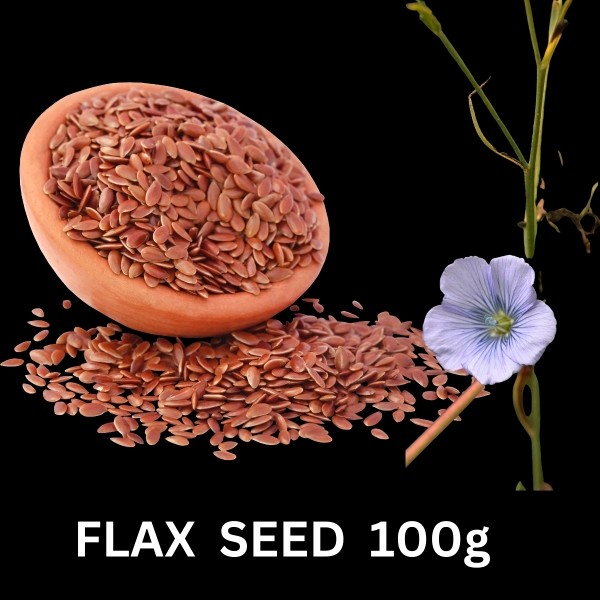
Flax Seed 100g
Product Price
R20,00
Description
Flax seeds are the tiny, oval seeds of the flax plant, used as a healthy food and industrial fiber source. They are rich in fiber, omega-3 fatty acids, and lignans (a type of phytoestrogen), and are consumed for benefits like improved digestion, a reduced risk of heart disease, and potential blood sugar control in people with type 2 diabetes.
Nutritional Benefits
Fiber: Flax seeds contain both soluble and insoluble fiber, which aids in maintaining regular bowel movements and can help limit cholesterol absorption.
Omega-3 Fatty Acids: They are a good source of alpha-linolenic acid (ALA), an essential fatty acid the body needs but cannot produce on its own.
Lignans: These plant compounds have antioxidant properties and are thought to offer protective effects against certain cancers.
Vitamins and Minerals: Flax seeds are rich in B vitamins (especially thiamine), copper, phosphorus, magnesium, and manganese.
How to Use Them
Ground/Milled: Ground flaxseeds are best for nutrient absorption, as whole seeds can pass through the digestive system undigested.
Incorporate into Diet: Add ground flaxseed to smoothies, yogurt, oatmeal, or baked goods like muffins.
Flaxseed Oil: This is also a healthy option derived from pressing the seeds.
Health Benefits
Digestive Health: The high fiber content helps prevent constipation.
Heart Health: The omega-3s and fiber may contribute to a reduced risk of heart disease.
Blood Sugar Control: Some studies suggest that flaxseed may help improve blood sugar control in people with type 2 diabetes.Flaxseed, also known as linseed, is a tiny, oil-rich seed from the flax plant that has gained popularity for its nutritional benefits. It is an excellent source of omega-3 fatty acids, fiber, and plant compounds called lignans, which contribute to better digestion, heart health, and blood sugar control.
Forms of flaxseed
Flaxseed is available in different forms, each with unique uses.
Whole flaxseed: Has a hard, outer shell that your body cannot break down easily, so it often passes through the digestive system undigested.
Ground flaxseed: Also called flax meal, this form is easier to digest, allowing your body to absorb more of its nutrients. It can be purchased pre-ground or milled at home using a coffee or spice grinder.
Flaxseed oil: Extracted by pressing the dried, ground seeds, this oil is the most concentrated source of omega-3s but lacks the fiber and lignans found in the seed itself.
How to use flaxseed
For the most health benefits, ground flaxseed is the best option because its nutrients are more bioavailable to the body.
Preparation tips
Start small: When adding flaxseed to your diet, begin with 1–2 tablespoons a day. Increasing your fiber intake too quickly can cause gas or bloating.
Hydrate: Always consume flaxseed with plenty of water or other fluids to prevent constipation.
Store correctly: Whole flaxseed can be stored in a cool, dark place for up to two years. Ground flaxseed spoils faster due to oxidation, so it should be kept in an airtight container in the freezer or refrigerator.
Easy ways to incorporate flaxseed
Breakfast foods: Stir 1–2 tablespoons of ground flaxseed into oatmeal, yogurt, or cold cereal.
Baked goods: Add ground flaxseed to muffin, cookie, bread, or pancake batter.
Smoothies: Blend 1–2 tablespoons of ground flaxseed into your favorite fruit or vegetable smoothie.
Egg substitute ("flax egg"): Combine 1 tablespoon of ground flaxseed with 3 tablespoons of water and let it sit for about 15 minutes to form a gel. Use this mixture to replace one egg in baking recipes.
Dressings and condiments: Whisk ground flaxseed into salad dressings, mayonnaise, or mustard.
Savory dishes: Sprinkle ground flaxseed over salads, soups, or pasta dishes, or mix it into meatloaf or meatballs as a binder.
Tips for flaxseed oil
Do not cook with it: